
Understanding Mask Certifications: ASTM, NIOSH, KN95 and Beyond
ASTM F3502, NIOSH N95, KN95, FFP2 — mask certifications can be confusing. This comprehensive breakdown explains what each standard tests for, how they differ, and which certifications actually matter for everyday protection.
The world of mask certifications can be confusing. Acronyms like N95, KN95, FFP2, ASTM F3502, and BSI Kitemark are often used interchangeably, but they represent different standards from different regulatory bodies, each with its own test methods and performance thresholds. Understanding what each certification actually means — and what it does not — is essential for making an informed choice about respiratory protection.
ASTM F3502: The U.S. Workplace Standard
ASTM F3502, published by ASTM International (formerly the American Society for Testing and Materials), establishes performance requirements for barrier face coverings intended for general public use. The standard defines two performance tiers. The baseline level requires at least 20% particle filtration efficiency and less than 15 mm H₂O breathing resistance. The higher "Workplace Performance Plus" level requires at least 50% sub-micron PFE and less than 15 mm H₂O inhalation resistance — with a recommended target of 80%+ filtration.
ASTM F3502 evaluates sub-micron particle filtration efficiency, inhalation and exhalation breathing resistance, and source control filtration (outward leakage). It does not require fit testing, unlike NIOSH N95 standards.
NIOSH N95: The Gold Standard for Occupational Use
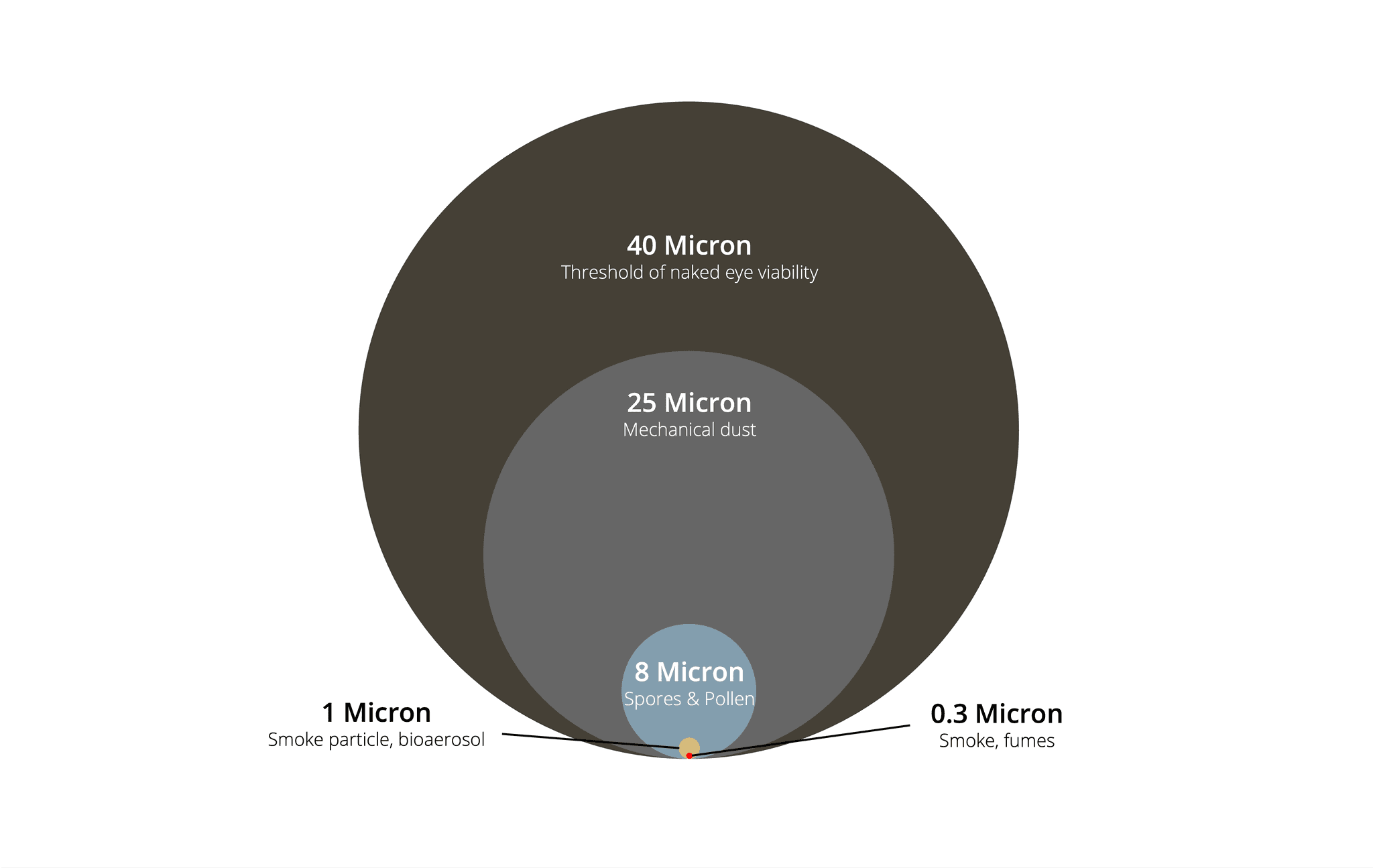
The N95 designation is administered by the National Institute for Occupational Safety and Health (NIOSH), a division of the U.S. Centers for Disease Control and Prevention. An N95 respirator must filter at least 95% of airborne particles at the 0.3μm most penetrating particle size. The "N" indicates it is not resistant to oil-based aerosols. NIOSH approval requires testing of filtration efficiency, breathing resistance, and fit. The standard was designed for occupational settings — healthcare, construction, mining — and products must pass a rigorous certification process.
KN95: China's National Standard (GB2626)
KN95 is the Chinese equivalent of N95, defined by the national standard GB2626-2019. Like N95, KN95 requires at least 95% filtration efficiency at 0.3μm. However, the test methods differ in important ways. KN95 testing evaluates total inward leakage (including face seal leakage) rather than just filter media efficiency, which in some respects is a more stringent real-world test. However, quality control and enforcement challenges have led to widely variable product quality among KN95-labeled masks on the market.
The CDC tested KN95 masks from various manufacturers and found that approximately 60% of KN95 masks evaluated did not meet the 95% filtration claim. Always verify that a KN95 mask has been independently tested by a reputable third-party lab.
European CE Marking and EN 149 FFP2
In Europe, respiratory protective devices are regulated under Regulation (EU) 2016/425 and must carry the CE mark. The relevant performance standard is EN 149, which defines three classes: FFP1 (at least 80% filtration), FFP2 (at least 94% filtration), and FFP3 (at least 99% filtration). FFP2 is broadly equivalent to N95/KN95 in filtration performance. CE certification requires conformity assessment by a notified body and ongoing production quality assurance. EN 14683 is a separate standard that applies to medical face masks rather than respirators.
BSI Kitemark: Above and Beyond
The BSI Kitemark is a voluntary quality mark issued by the British Standards Institution, one of the world's most respected standards organizations. Unlike minimum-compliance certifications, the Kitemark requires ongoing surveillance testing, factory audits, and quality management verification. Products bearing the Kitemark must demonstrate consistent performance over time — not just in a single test sample. For consumers, the Kitemark represents an additional layer of confidence beyond basic regulatory compliance.
FDA Registration
In the United States, masks marketed for medical use or with health-related claims must be registered with the Food and Drug Administration. FDA registration means the product and its manufacturing facility are listed in the FDA database, and the product has been reviewed for biocompatibility, flammability, and filtration performance. It is important to note that FDA registration is not the same as FDA approval — it indicates compliance with applicable regulations but does not imply FDA endorsement of product efficacy.
How All Certifications Compare
- 1ASTM F3502 Workplace Performance Plus: ≥50% sub-micron PFE, U.S. consumer/workplace barrier face coverings
- 2NIOSH N95: ≥95% PFE at 0.3μm, U.S. occupational respirator standard
- 3KN95 (GB2626): ≥95% PFE at 0.3μm, Chinese national standard with total inward leakage test
- 4CE EN 149 FFP2: ≥94% PFE, European PPE regulation with notified body oversight
- 5BSI Kitemark: voluntary quality mark requiring ongoing surveillance and production audits
- 6FDA Registration: U.S. medical device listing with biocompatibility and performance review
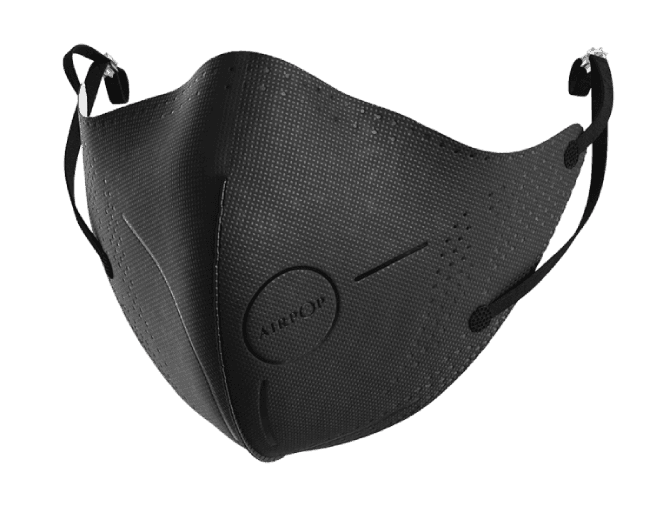
AirPop masks are tested and certified to ASTM F3502 (Workplace Performance Plus), NIOSH N95, KN95 (GB2626), European CE standards, BSI Kitemark, and FDA registration. Rather than meeting the minimum threshold of any single standard, AirPop exceeds the requirements of all of them simultaneously — with >99% tested PFE at 0.3μm.
What to Look for When Buying
When evaluating any mask, ask these questions: Which certifications does it hold, and can the manufacturer provide test reports from accredited third-party laboratories? Is filtration efficiency tested at the 0.3μm most penetrating particle size? Does the certification include seal or fit testing? Are test results based on the finished product as worn, or just the raw filter media? Reputable manufacturers publish their test results openly. If a company cannot or will not provide third-party testing data, that is a significant red flag.
“A certification is only as meaningful as the testing behind it. We publish our results because transparency is the foundation of trust.”
— AirPop
Related Articles
The Science of Filtration: How AirPop Blocks 99% of Particles
Electrostatic capture, mechanical interception, and multi-layer media engineering — discover the science that allows AirPop masks to filter out 99% of airborne particles while remaining remarkably breathable.
AirPop Light SE vs. Traditional KN95: A Head-to-Head Comparison
Not all KN95-level masks are created equal. We put the AirPop Light SE side by side with a traditional KN95 to compare fit, breathability, filtration, and everyday wearability.