
Air Quality and Children: A Comprehensive Parent's Guide
Children breathe faster, spend more time outdoors, and have developing lungs — making them especially vulnerable to air pollution. Here is everything parents need to know to safeguard their children's respiratory health.
Children are not small adults — at least not when it comes to air pollution. Their developing lungs, higher breathing rates, and greater time spent outdoors make them disproportionately vulnerable to the effects of poor air quality. As a parent, understanding these vulnerabilities and taking proactive steps to protect your child's respiratory health is one of the most important investments you can make in their long-term wellbeing.
Why Children Are More Vulnerable
Several physiological factors make children uniquely susceptible to air pollution. First, children breathe faster than adults — a resting child takes 20 to 30 breaths per minute compared to 12 to 20 for an adult. This higher respiratory rate means more polluted air enters their lungs per unit of body weight. Second, children's lungs are still developing. Approximately 80% of alveoli — the tiny air sacs responsible for gas exchange — form after birth and continue developing through adolescence. Exposure to pollutants during this critical growth period can cause permanent structural damage and reduced lung capacity that persists into adulthood.
Research from the University of Southern California's Children's Health Study found that children exposed to higher levels of PM2.5 and nitrogen dioxide had measurably reduced lung function by age 18, with deficits that are unlikely to be recovered later in life.
Third, children spend more time outdoors and are more physically active than adults, increasing their total exposure. They also spend more time closer to the ground, where heavier pollutants concentrate. Their immature immune systems are less equipped to handle the inflammatory response triggered by particulate exposure. And because they have decades of life ahead of them, the cumulative effects of early exposure have more time to manifest as chronic disease.
Common Air Quality Threats for Children
- Vehicle exhaust near schools and playgrounds — schools located near major roads expose children to chronically elevated NO₂ and PM2.5
- Wildfire smoke — children are among the first to show symptoms during smoke events, including wheezing and asthma exacerbations
- Indoor pollutants — schools and homes with poor ventilation, gas stoves, or aging HVAC systems can have indoor PM2.5 levels exceeding outdoor levels
- Pollen and allergens — children have higher rates of allergic sensitization, and early exposure can trigger the development of asthma
- Secondhand smoke — tobacco smoke exposure in childhood dramatically increases the risk of developing asthma and respiratory infections
School and Outdoor Activity Guidelines
Many school districts have adopted AQI-based policies for outdoor activities, but these thresholds vary widely and some schools have no policy at all. As a general guideline, outdoor recess and sports should be moved indoors when the AQI exceeds 100 (Unhealthy for Sensitive Groups). Children with asthma should limit outdoor exertion when AQI exceeds 50 during ozone season. On days when AQI exceeds 150, all children should avoid extended outdoor time.
- 1Check AQI every morning before your child leaves for school
- 2Communicate with your child's school about their outdoor activity AQI policy
- 3Send your child with an AirPop Kids mask on days when AQI exceeds 100
- 4For children with asthma, provide the school with an action plan that includes AQI thresholds
- 5Advocate for air purifiers in classrooms if your school does not already have them
- 6Teach your child to recognize symptoms of air pollution exposure: coughing, wheezing, eye irritation
Choosing the Right Mask for Children
An adult mask on a child's face is worse than no mask at all — it gives a false sense of protection while leaving large gaps around the cheeks, chin, and nose. Children need masks designed specifically for their facial dimensions. The fit must be secure without being uncomfortable, the breathing resistance must be appropriate for smaller lungs, and the materials must be gentle on sensitive skin.
AirPop Kids masks are engineered with child-proportioned 3D Aerodome structures, softer ear loops, lower breathing resistance, and the same >99% filtration technology as our adult masks. Because children deserve real protection — not miniaturized adult products.
Making Protection a Positive Habit
Children are more likely to wear masks consistently when the behavior is normalized rather than forced. Explain air quality in age-appropriate terms — compare particles to invisible dust or tiny bits of smoke. Let your child choose their mask color or design. Check AQI together as part of the morning routine, making it a learning activity. When children understand why they are wearing protection and feel ownership over the decision, compliance improves dramatically.
Children model their parents' behavior. When you wear your AirPop mask on poor air quality days, your child is far more likely to wear theirs without resistance. Make it a family habit, not a child-only requirement.
“Every breath a child takes during their developmental years shapes the lungs they will carry for the rest of their life. Protecting those breaths is not overprotective — it is proactive.”
Related Articles
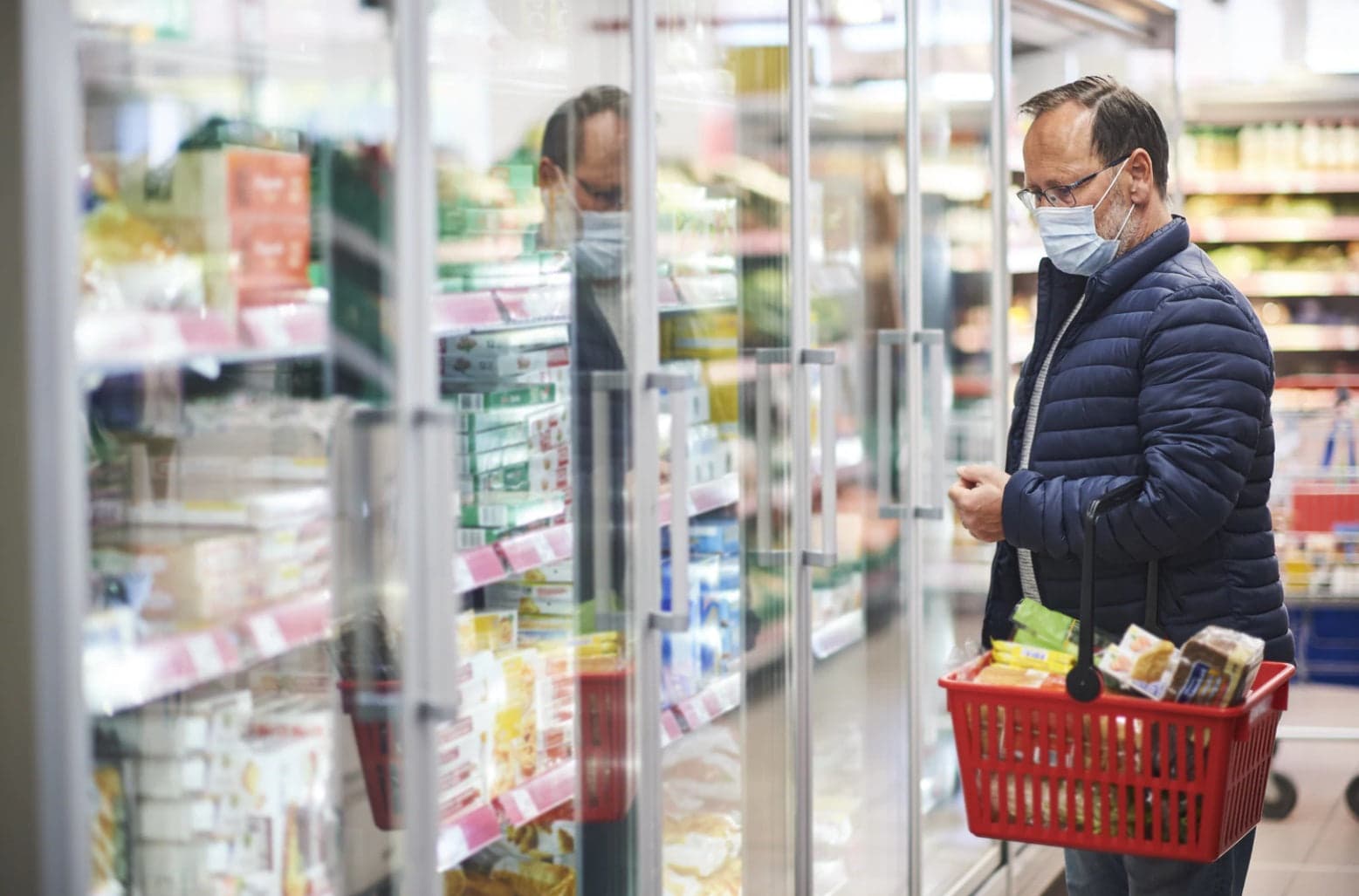
5 Respiratory Health Habits That Make a Real Difference
Protecting your lungs goes beyond wearing a mask. These five daily habits — from monitoring air quality to optimizing indoor ventilation — can significantly reduce your lifetime exposure to harmful pollutants.
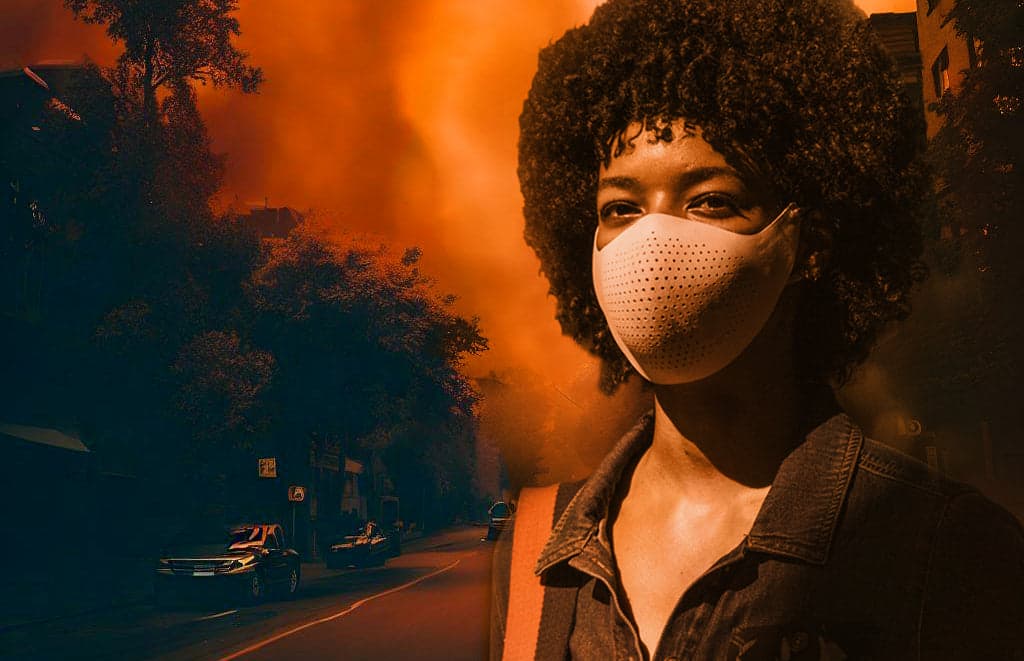
Wildfire Season 2026: Why Respiratory Protection Matters More Than Ever
With wildfire seasons growing longer and more intense, understanding PM2.5 protection has never been more important. Here's what you need to know.